


Search

The Art of Leadership: Becoming and Doing
- Jun 3, 2024
- 4 min read
Updated: Jul 17, 2024
By Samuel Sulaiman Bah
One of the most refined analogies of being a leader is becoming your true self while doing what is needed to be done within a particular period for a given task.
Leadership is not simply a presentation of yourself to people. It's about becoming and doing what needs to be done within a particular time.
Leadership in its entirety can only bring much difference when there is influence, value, service, contribution and relationship. These are some of the major concepts that bring about the categorical definition of leadership;
Influence
Value of others
Relationship
Service and Contribution
The true essence of leadership is mostly practicality. Being practical about leadership is adjusting to things and bringing out simplicity to make a difference. Leadership is about responsibility—being able to do the right things at the right time.
As a leader, your responsibility should be a driven force to assist and lead others, not for self-preservation and entitlement, because what you do each and every day will make you stand out with the belief that leadership is about service and showing respect and value for others.
Becoming a leader is mostly about your influence, values and your relationship with your team or the people you represent or come into contact with.
Doing as a leader comprises your service and contribution to your team, your people and those you engage and work with entirely.
These are the categorical principles of Becoming and Doing as a Leader.
Becoming; Influence, Value, and Relationship
Doing; Service and Contribution
How do you "BECOME" a true leader?
To become a true leader comes at a great price. It involves much of who you are as a person, surrounding your influence on others, your value of others and yourself, and most importantly your relationships, ie how you relate to the people around you.
Anyone can be a leader, but true leadership entails much higher purpose than just being a leader. It is a true vision of oneself and his/her service or contribution to humanity.
Leadership comes with a set of principles that helps to focus more on specific and given tasks and be ready to take a step and make extreme decisions when no one thinks or dares to do so.
Becoming a leader stems from your vision and the courage, determination, and discipline to reach your end goal. Who you are when no one is watching and how you relate to those around you show exactly the kind of leadership you are portraying. Leaders are born, not created.
Influence
Is one of the major traits found in true leadership. As a leader, your level of influence has a great impact on those around you. Your influence depicts the beliefs others have about you; you are seen as a motivation for their own personal cause, and with that comes the ability to change and develop, so therefore, as a leader, it's all about showing them what they can do and how they can do it.
Value
Your value to others as a leader clears a pathway for all to come. It clearly defines how you see others and what you think they can and cannot do.
You see them as important as yourself; you give them a sense of purpose and belonging. Their morals and belief in something that is personal to them give them hope and the courage to hold on. As a leader, you dive into that place, recognise them, and make them understand how valuable they are to whatever beliefs they carry and how they can be of value to them.
As a leader, thinking highly of those around you gives them the conviction that you show compassion and listen to them; you care so much about them other than yourself. Leadership comes with a whole lot of packages, and whatever you do to others and the value you have about them irrespective of your position or status shows how relevant it is when you are their leader and the one they stand and look up to.
Relationship
As a leader, your relationship determines how you relate to those around you. Relationships are fundamental for any leadership position, be it elected or selected; you can't afford to lose the power of relating to those around you. Your position status or titles shouldn't be an excuse for you not to spend quality time with those you serve.
Leadership is about service, and in attending to that function, your relationship with them helps to increase your knowledge and understanding of who they are, what they want, and how you can be of value in serving them.
What do you "DO" as a Leader?
Service and contribution are the foundation for many leadership position. Everything you do has a positive or negative effect on those you serve.
As leadership comes with service, it is your survival and the legacy of those you lead, that determines the type of leadership qualities you have. Leadership is a calling; whether you are great or not. Only the great ones served with a vision and a purpose. They possess the continual effort and determination to serve and lead.
As a leader, you act as a source of inspiration for others to do more, you give them a reason to act upon whatever inspires them. Leadership plays a vital role in shaping the lives of those you serve or lead.
Your service and contribution should be an inspiration to yourself. You think not of yourself but of the people you serve; you focus primarily on the growth and well-being of the people and communities you represent.
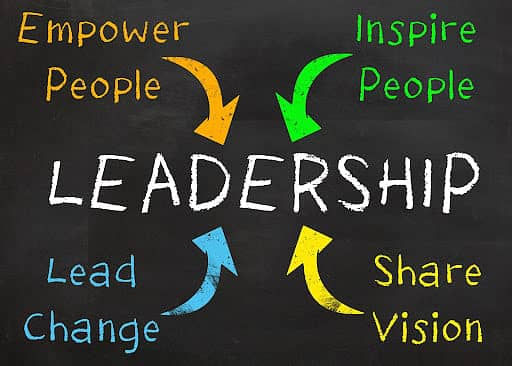
Leadership is a sense of responsibility and a focused mind. Your vision speaks volumes about what you want to do and how you want to do it.
Fairness, integrity, sacrifice, and selfless commitment to a given task are what each and every leader should demonstrate.
Let's have a look at some of the core elements found in the service of leadership:
Serve and add value to others, irrespective of your position, title, or status.
Create a healthy environment where there is respect, trust, and value for one another.
Empower and foster leadership qualities in others.
.jpeg)
Comments